
×
Empowering India, One Digital Payment at a Time! #IndiaPaysDigitally #HarPaymentDigital
Know more
The Closed-Loop Wallet Advantages: Why a Contained Payment Ecosystem Could Be Right for You
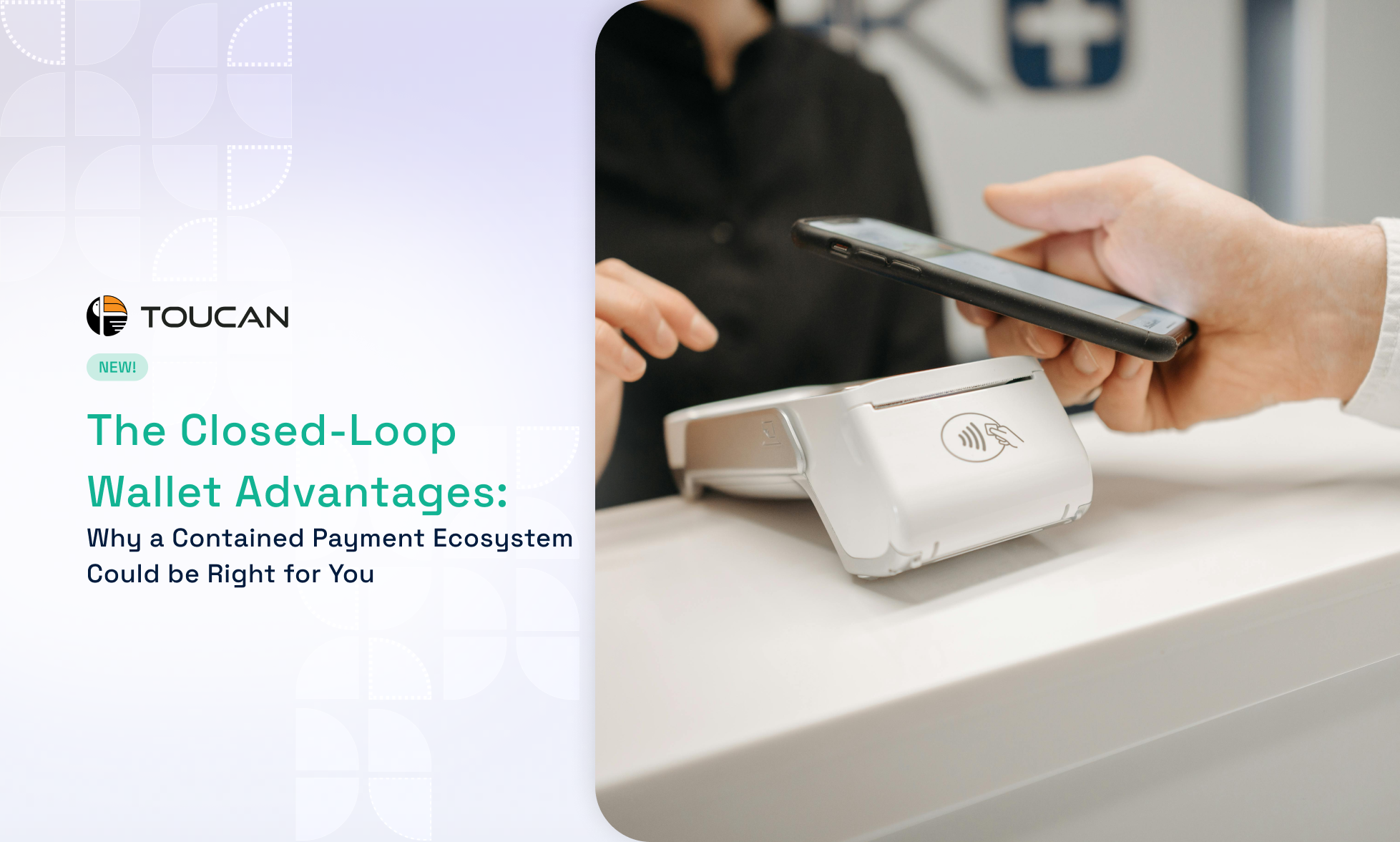
In today’s crowded fintech landscape, payment solutions come in all shapes and sizes. Among them, the closed-loop wallet has quietly emerged as one of the most powerful tools for businesses and consumers alike — yet it remains widely misunderstood. If you’ve ever loaded money onto a Starbucks card, topped up a transit card, or stored credits in a gaming platform, you’ve already used a closed-loop wallet without even realizing it.
What Is a Closed-Loop Wallet?
A closed-loop wallet is a digital payment system that allows users to store and spend funds only within a specific network or ecosystem — such as a retailer, e-commerce platform, or service provider. Think of prepaid wallets used by coffee chains, fuel stations, or metro cards — customers load money into the wallet and use it exclusively within the brand’s environment.
This model contrasts with open-loop wallets, which support universal usage across multiple merchants through networks like UPI, Visa, or Mastercard.
The Key Advantages
1. Lower Transaction Costs
One of the most compelling reasons businesses adopt closed-loop wallets is the dramatic reduction in payment processing fees. Traditional card networks charge merchants interchange fees — typically 1.5% to 3.5% per transaction. A closed-loop system bypasses these networks entirely, meaning every transaction processed internally saves real money.
2. Faster Transactions
Without the need to route payments through external card networks and banks, closed-loop transactions happen almost instantly. There’s no third-party authorization delay, which means shorter queues, faster checkouts, and a smoother customer experience.
3. Enhanced Customer Loyalty
Closed-loop wallets naturally encourage repeat spending within your brand ecosystem. With incentives like cashback, loyalty points, or exclusive offers, customers are motivated to keep their wallet funds circulating within your platform.
4. Richer Customer Data and Personalization
When customers pay through a closed-loop wallet tied to their account, every transaction becomes a data point. Businesses gain direct visibility into purchasing behaviour, spending frequency, preferred products, and visit patterns.
5. Stronger Fraud Prevention
Because closed-loop wallets operate in a controlled environment, they offer a tighter security perimeter than open-loop alternatives. Funds can only be used within the designated network, which dramatically limits the appeal of fraudulent activity. Add in biometric authentication, spending limits, and real-time monitoring, and you have a fraud risk profile that is far easier to manage than an open card system exposed to the broader payments ecosystem.
6. Predictable Cash Flow for Businesses
When customers preload funds into a closed-loop wallet, businesses receive that cash upfront, often before any product or service is delivered. This “float” creates a predictable pool of capital that can be used operationally.
7. Offline and Low-Connectivity Functionality
Because closed-loop wallets don’t necessarily need to connect to external networks for authorization, many implementations can function in offline or low-connectivity environments. This is a major advantage in places with poor internet infrastructure, making them a practical tool for public transit systems, rural retail environments, and event venues.
8. Customization and Brand Control
Open payment networks come with their own rules, design constraints, and user experience limitations. A closed-loop wallet, by contrast, is owned entirely by the business. Companies can design the interface, define the rules, craft the rewards structure, and build the experience from the ground up, all aligned with their brand identity.
Real-World Use Cases
- E-commerce platforms use closed-loop wallets to offer instant cashback and store credits.
- Transit systems rely on wallet-based cards for quick, contactless payments.
- Food delivery and mobility apps build closed-loop wallets to drive repeat usage and manage promotions efficiently.
The Trade-Off: Acceptance Limitations
Closed-loop wallets are not without drawbacks. The most obvious is the limited acceptance, these wallets work only within their designated ecosystem. For consumers, this means funds are effectively “locked in,” which can be frustrating if the brand relationship sours or the wallet balance goes unused.
Final Thoughts
Closed-loop wallets are more than just payment tools — they’re strategic assets that help businesses control transaction flow, reduce costs, and build stronger customer relationships. As fintech infrastructure evolves, expect these wallets to power the next phase of merchant-led digital payment innovation.
About Toucan
Toucan provides enterprise-grade digital payment infrastructure for banks, fintechs, processors, and merchants. Our digital wallet solution offers white-label wallet capabilities with advanced security, tokenization, loyalty integration, and multi-currency support.
Explore Toucan Payment’s Digital Wallet Solution today!
Frequently Asked Questions
Q1: What is the difference between an open and a closed digital wallet?
A: An open wallet works across multiple merchants and channels, while a closed wallet is restricted to a single brand or ecosystem.
Q2: Which is better for my business: open or closed digital wallet?
A: It depends on your goals. Open wallets are better for easy checkout and reach, closed wallets for retention, data, and deeper customer relationships.
Q3: Is it possible to support both open and closed wallet models?
A: Yes. Many businesses accept open wallets at checkout and run an in‑app closed wallet for their most engaged users.
Q4: Do digital wallets replace payment gateways?
A: No. Digital wallets usually sit on top of existing card or bank rails, which are still processed through gateways and acquirers.
Q5: Can Closed-Loop Wallets Integrate Loyalty Programs?
A: Yes, they seamlessly integrate rewards, cashback, and points, encouraging repeat purchases within the brand. Refunds stay in the wallet, turning returns into opportunities for more sales.