
×
Empowering India, One Digital Payment at a Time! #IndiaPaysDigitally #HarPaymentDigital
Know more
Smart Routing VS Traditional Payment Processing
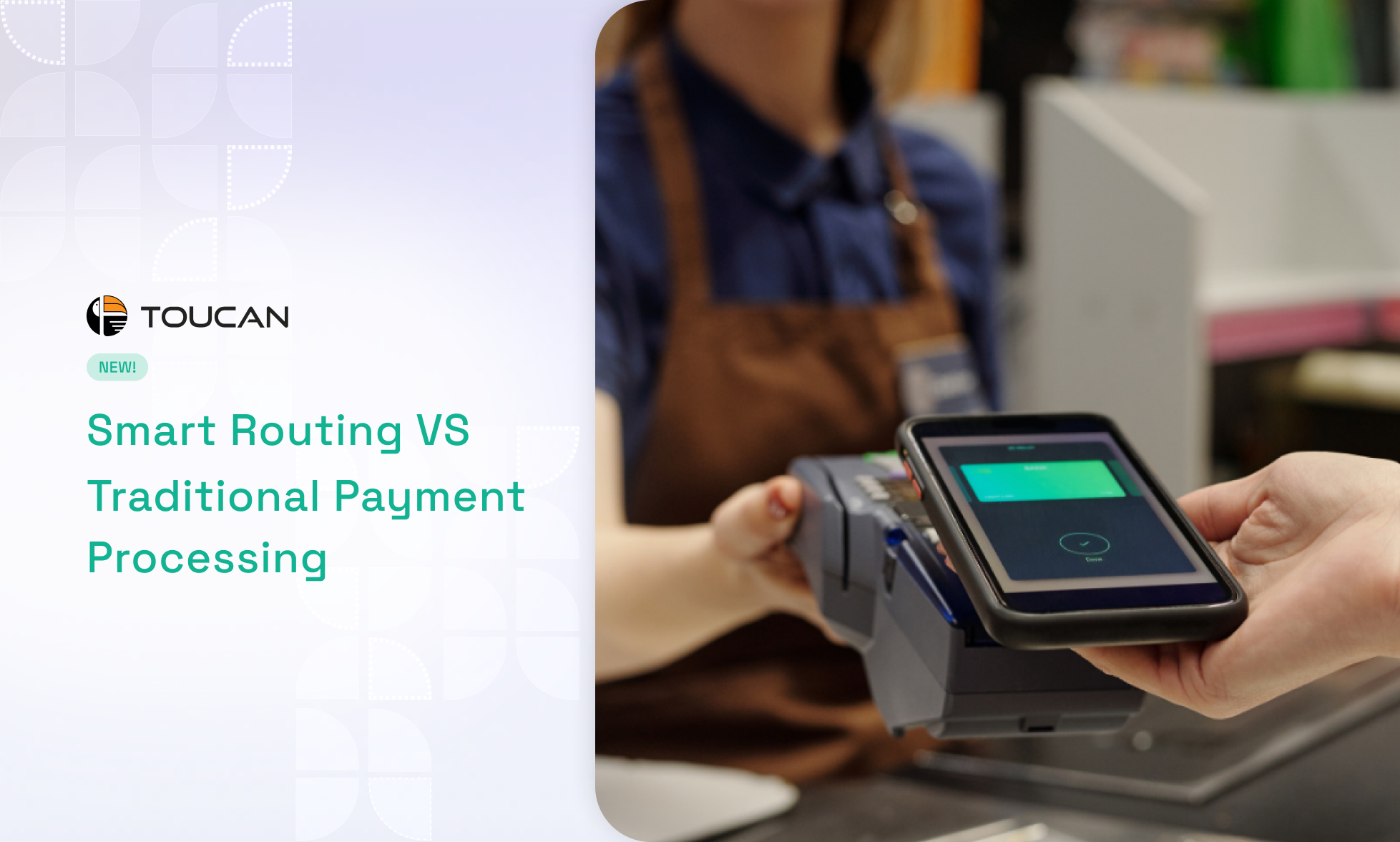
The digital payments landscape is undergoing a fundamental transformation, driven by the need for higher approval rates, lower costs, and better customer experiences. As businesses scale globally and transaction volumes grow, the limitations of traditional payment processing are becoming increasingly apparent, paving the way for smart routing solutions that are redefining how payments flow through the digital ecosystem.
What is Traditional Payment Processing?
Traditional payment processing follows a fixed, predetermined path where transactions are routed through a single payment gateway or acquirer regardless of transaction-specific variables. This static approach has been the backbone of digital commerce for decades, encompassing established methods like bank transfers, credit card processing through single providers, and fixed gateway relationships.
The routing logic remains constant, whether processing a $10 domestic transaction or a $10,000 international payment, the same path is followed.
Understanding Smart Routing
Smart routing represents an intelligent orchestration layer that dynamically selects the optimal payment path for each individual transaction using real-time signals such as cost, latency, issuer performance, risk scores, and compliance requirements. Rather than following a fixed route, smart routing analyses multiple variables instantly and directs payments through the channel most likely to succeed at the lowest cost.
The technology leverages artificial intelligence and machine learning to analyse historical transaction data in real-time, learning from millions of payment patterns to predict which processor will deliver the best outcome for each specific transaction.
Advantages of Smart Routing
Higher Payment Approval Rates
Smart routing significantly boosts transaction success rates by directing payments to the processor most likely to approve them based on historical performance data. Merchants implementing smart routing can experience approval rate improvements of 10-30%, translating directly into recovered revenue from transactions that would otherwise fail.
Cost Efficiency and Fee Reduction
By comparing rates across different payment processors, banks, and acquirers in real-time, smart routing selects the most cost-effective path for each transaction. This dynamic cost optimization can substantially reduce processing expenses, particularly valuable for high-volume merchants where even small percentage improvements yield significant savings.
Smart routing also finds optimal exchange rates for currency conversion, reducing conversion costs that typically range from 1-4% in traditional processing.
Enhanced Transaction Speed
Smart routing prioritizes payment routes that offer instant confirmation and faster settlement times. By spreading transactions across multiple channels rather than overloading a single processor, the system maintains consistent performance even during peak traffic periods.
Built-in Redundancy and Reliability
Smart routing automatically detects provider outages or degraded performance and instantly reroutes transactions to backup processors. This built-in resilience ensures business continuity even when individual payment providers experience technical issues.
The system’s ability to cascade through multiple fallback options means merchants experience fewer complete payment failures, protecting revenue streams during provider disruptions.
Global Scalability
Smart routing facilitates seamless cross-border transactions by automatically selecting payment channels that comply with local regulations and support regional payment preferences. With integrations to multiple payment methods globally, businesses can expand into new markets without negotiating individual provider relationships.
The Future of Payment Processing Technology
By 2026, manual payment routing is increasingly viewed as leaving money on the table, with smart routing becoming table stakes for competitive e-commerce operations. The payment infrastructure of 2026 emphasizes modular architecture where payment components can be swapped or dual-sourced as needs evolve, reducing operational risk and accelerating time-to-market.
AI-powered payment solutions and automation underpin the shift toward predictive, adaptive, and scalable payment operations. Key applications include proactive fraud detection with real-time risk scoring, dynamic payment routing that adapts to issuer performance, and automated decisioning across security triggers and retry logic.
Conclusion: The Competitive Imperative
Payment processing has evolved from utility infrastructure to competitive differentiator. Businesses that optimize authorization rates, minimize costs, and deliver friction-free payment experiences gain meaningful advantages over those accepting traditional processing limitations.
Smart routing represents the current frontier in payment optimization, leveraging AI and real-time data to wring maximum value from every transaction. The technology is mature, proven, and accessible to businesses across a wide range of sizes and verticals.
The future of payment processing is intelligent, adaptive, and optimized. The only question is whether you’ll lead, follow, or fall behind as the industry transforms.
About Toucan
Toucan’s SuperStream payment orchestration platform delivers enterprise-grade smart routing for businesses of all sizes. Our AI-powered routing engine, multi-PSP integration framework, real-time analytics, and automated optimization help businesses maximize authorization rates while minimizing processing costs.
Built on the ToucanOS modular platform, SuperStream integrates seamlessly with our comprehensive payment infrastructure including AcquireFlow payment gateway. Whether you’re implementing smart routing for the first time or upgrading from basic multi-PSP routing, SuperStream provides the intelligence and automation to transform payment processing from cost centre to competitive advantage.
To learn how Toucan can optimize your payment processing, visit toucanus.com or contact our team for a consultation and ROI analysis specific to your business.
Frequently Asked Questions
Q1: What is smart payment routing?
A: Smart payment routing is an intelligent payment orchestration technology that automatically selects the optimal payment path for each transaction in real-time.
Q2: How does smart routing differ from traditional payment processing?
A: Traditional payment processing uses a fixed route through a single payment gateway regardless of transaction variables, while smart routing dynamically selects from multiple payment processors based on real-time data.
Q3: What are the main benefits of implementing smart payment routing?
A: The key benefits include increased payment approval rates by 10-30%, reduced transaction costs through automated rate comparison, enhanced transaction speed and performance, built-in redundancy for business continuity.
Q4: Can smart routing handle cross-border and international payments?
A: Yes, smart routing excels at cross-border payment processing by automatically selecting payment channels that comply with local regulations, support regional payment preferences, and offer optimal currency conversion rates.