
×
Empowering India, One Digital Payment at a Time! #IndiaPaysDigitally #HarPaymentDigital
Know more
What is Omni-channel Banking? A Complete Guide for Seamless Digital Banking Experiences
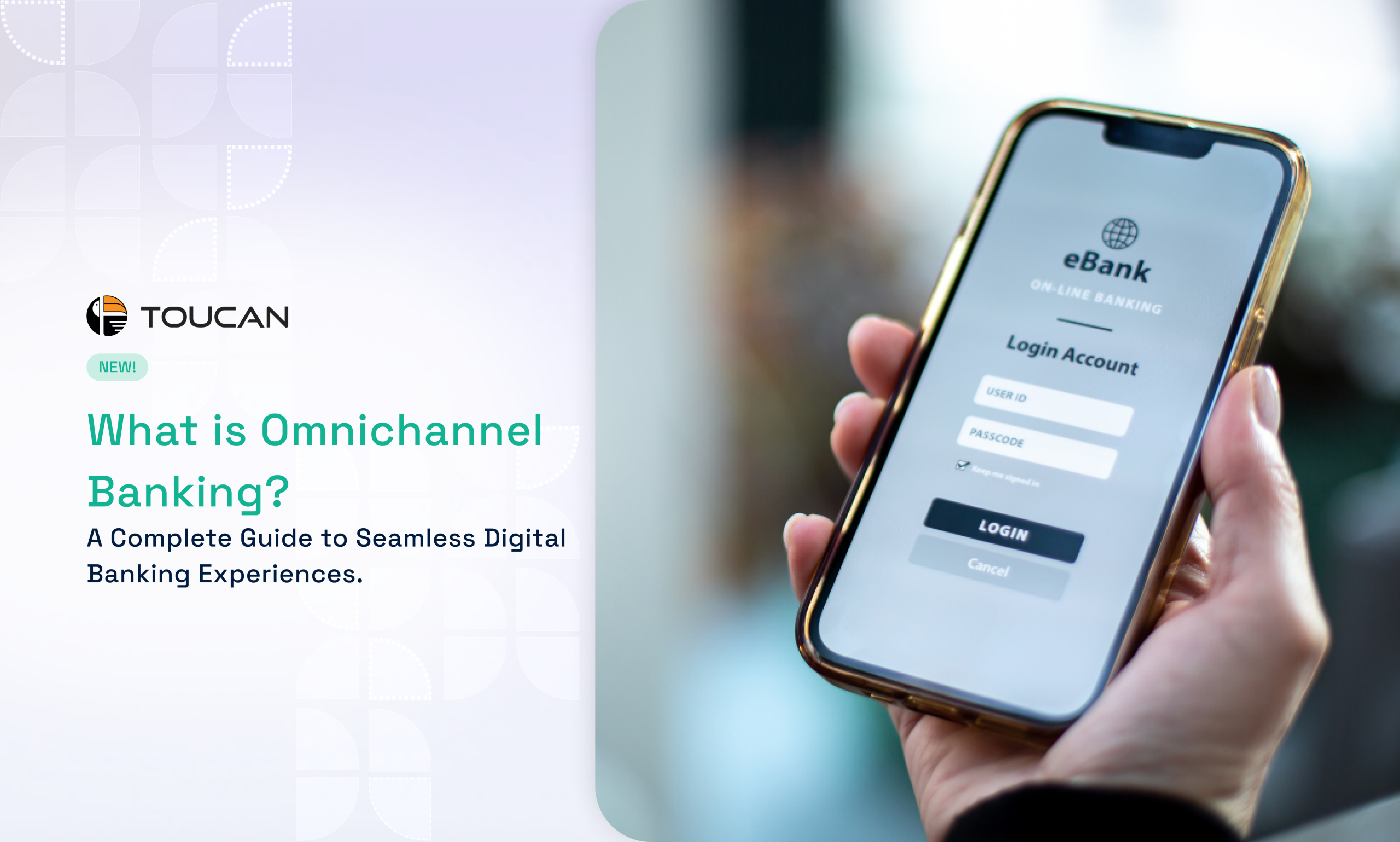
Banking customers no longer think in channels. They don’t distinguish between “mobile banking” and “branch banking” as separate experiences. Instead, they expect to start a transaction on their phone during a morning commute, continue it on a laptop at work, and complete it at a branch during lunch—with perfect continuity across each touchpoint.
This reflects a fundamental shift in how people interact with financial services. Yet many banks still struggle to deliver, creating fragmented experiences that frustrate customers and undermine operational efficiency.
Omni-channel banking is rapidly becoming a core pillar of digital banking transformation as banks race to deliver seamless, personalized, and consistent customer experiences across every touchpoint. Financial institutions that get their omni-channel strategy right will lead in customer satisfaction, engagement, and revenue growth.
What is Omni-channel Banking?
Omni-channel banking is a customer-centric digital banking strategy where all channels—mobile banking app, internet banking, ATM, contact center, and physical branches—are fully integrated and share a single, consistent view of the customer. Unlike multi-channel banking (where each channel operates in silos), omni-channel banking enables customers to start a journey on one channel and complete it on another without losing context.
For example, a customer might explore home loan options on your website, continue the application on the mobile banking app, and then visit a branch to sign final documents, with each step recognizing prior interactions in real time. This unified, channel-agnostic approach is what differentiates true omni-channel digital banking from traditional, fragmented banking experiences.
Key Characteristics of Omni-channel Banking
- Single, unified customer profile across all channels
- Real-time synchronization of data and interactions
- Consistent UX and UI across mobile, web, and branch systems
- Channel-agnostic product discovery, onboarding, and servicing
- Personalization driven by customer data and behaviour analytics
Why Omni-channel Banking Matters
As customers shift to digital-first banking, their expectations are shaped by e-commerce, OTT, and on-demand apps. Banks must respond with an omni-channel banking experience that is intelligent, frictionless, and available 24/7.
1. Rising Customer Expectations
Modern customers expect:
- Seamless transitions between channels (mobile to branch, chat to call center)
- Consistent information and offers across all banking channels
- Real-time updates on transactions, applications, and support tickets
2. Revenue Growth and Cross-sell/Upsell
With a 360-degree view of the customer, banks can use advanced analytics to:
- Identify cross-sell and upsell opportunities (cards, insurance, investments)
- Deliver contextual offers at the right time on the right channel
- Increase product penetration per customer and lifetime value
3. Lower Cost-to-Serve and Operational Efficiency
Omni-channel banking reduces duplication and manual interventions across back-office operations:
- Single source of truth for customer data cuts down errors and rework
- Staff can access full interaction history, reducing average handling time
- Self-service via mobile and web channels reduces branch and call center load
The result is a more efficient digital banking operation with a lower cost-to-serve and higher staff productivity.
4. Competitive Differentiation in Digital Banking
Fintechs and neobanks like Chime, Revolut, N26, Jupiter (India), Fi (India) and numerous other regional neo-banks have built their entire operations around omni-channel (or more accurately, mobile-first) experiences. are already competing with traditional banks on UX, speed, and personalization. A mature omni-channel banking model helps incumbents:
- Match or exceed fintech-level customer experience
- Retain high-value customers who might otherwise churn
- Build a differentiated digital banking brand in a crowded market
5. Enhanced Regulatory Compliance and Data Privacy
Data privacy and security requirements have intensified globally with regulations like GDPR in Europe, CCPA in California, and similar frameworks emerging worldwide. These regulations mandate specific customer rights around data access, portability, correction, and deletion. Implementing these rights is far simpler with unified customer data platforms than with fragmented channel-specific databases.
Regulatory reporting and compliance become more manageable with centralized transaction data and standardized processes.
6. Superior Fraud Prevention and Risk Management
Fraud prevention and detection benefit significantly from omni-channel systems that provide comprehensive visibility into customer behaviour across all touchpoints. Anomaly detection algorithms become more effective when they can analyse complete customer activity patterns rather than channel-isolated views.
Unified customer profiles enable more sophisticated authentication approaches. The system can assess transaction risk based on factors like device recognition, location patterns, transaction history across all channels, and behavioural biometrics. This holistic risk assessment reduces both fraud losses and false positives that frustrate legitimate customers.
The Future of Omni-Channel Banking
Omni-channel banking continues evolving as new technologies and changing customer expectations expand what’s possible and expected.
Emerging Channel Integration
- Voice and conversational interfaces are becoming sophisticated enough for complex banking tasks beyond simple balance inquiries. AI-powered voice assistants can walk customers through applications, answer detailed questions about products, and complete transactions—all through natural conversation.
- Augmented and virtual reality represent frontier channels for banking. AR applications might overlay financial information on the physical world, showing real estate values while house hunting or displaying account balances floating above ATMs. VR could create immersive branch experiences accessible from home or virtual financial planning sessions in simulated environments.
- Internet of Things integration enables banking through connected devices—cars that pay for gas automatically, smart home systems that manage utility payments, wearables that authorize transactions with gestures.
Advanced Personalization
- AI-driven experiences adapt in real-time based on customer context, behaviour, and inferred intent. Rather than static personalization based on demographic profiles, AI systems learn individual preferences and patterns, customizing interfaces, recommendations, and assistance dynamically.
- Predictive and proactive banking anticipates customer needs and initiates helpful actions without waiting for requests. The system might notice an unusual charge and automatically send a fraud alert, detect an upcoming bill and suggest transferring funds to cover it, identify opportunities to save money by refinancing or consolidating accounts, or recommend financial products aligned with life events like home purchases or retirement planning.
Embedded and Invisible Banking
- Banking as a service (BaaS) enables financial services to be embedded directly into non-banking applications and experiences. Customers might obtain financing at the point of purchase on e-commerce sites, receive payments within freelance platforms, or access insurance through car-sharing apps, all powered by banking infrastructure invisible to the end user.
- Invisible transactions eliminate explicit payment steps from customer experiences. Combined with IoT, biometrics, and ambient computing, transactions can become automatic, your car pays for parking, your home pays utilities as consumed, your wearable pays for gym access as you enter.
Conclusion: The Omni-Channel Imperative
Omni-channel banking has transitioned from competitive advantage to competitive necessity. Customers expect seamless experiences across all touchpoints, banks that fail to deliver lose market share to those that do. Digital-native challengers and big tech competitors raise customer expectations continuously, forcing traditional banks to match or exceed these experience standards.
The question is no longer whether to pursue omni-channel banking but how quickly and effectively you can execute the transformation. Customers are waiting—and competitors are already on the journey.
About Toucan
Toucan provides comprehensive digital banking infrastructure through our Bank-Core platform, purpose-built for omni-channel banking delivery. Our API-first architecture, unified customer data platform, and modular services enable banks, NBFCs, and financial institutions to rapidly deploy omni-channel capabilities without replacing existing core systems.
Explore Toucan Payment’s Omni-channel Banking Solution today!
Frequently Asked Questions
Q1: What is omni-channel banking in simple terms?
A: Omni-channel banking is a unified approach where all banking channels—mobile app, website, branch, ATM, and call center—are connected so customers can start a journey on one channel and seamlessly continue or complete it on another.
Q2: How is omni-channel banking different from multi-channel banking?
A: In multi-channel banking, each channel operates in a silo with its own systems and data. In omni-channel banking, all channels share a single customer view, synchronized data, and consistent processes, enabling true continuity across touchpoints.
Q3: What role does data play in omni-channel banking?
A: Data from all channels is consolidated into unified customer profiles, powering personalization, journey orchestration, fraud detection, risk scoring, and faster regulatory reporting from a single source of truth.
Q4: What are the main technology components of an omni-channel banking platform?
A: Key components include a unified customer data platform, API-first and microservices-based integration with core systems, real-time event streaming, journey orchestration engines, and consistent UX layers across mobile, web, and branch.
Q5: Is omni-channel banking only relevant for large banks?
A: No. Regional and mid-sized banks can also benefit by starting with a few high-impact journeys—like digital onboarding or loan origination and gradually expanding their omni-channel capabilities.